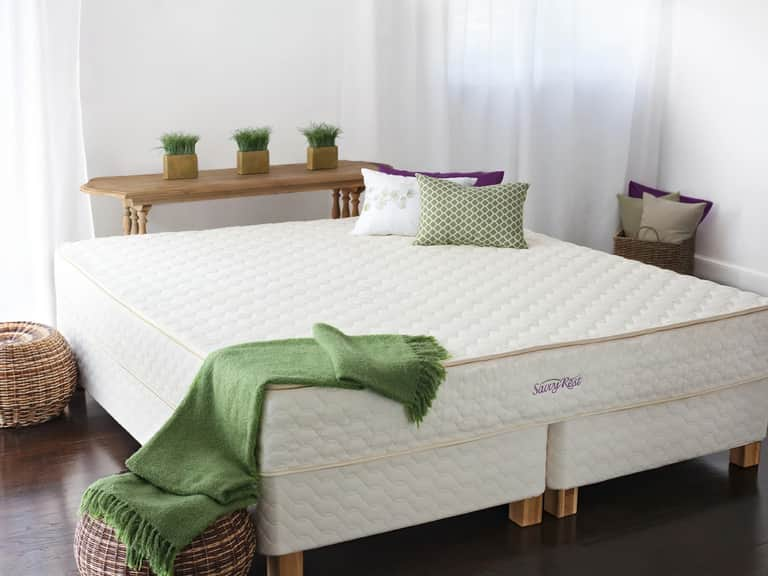
Vispring Masterpiece Superb
Experience: a breathable, temperature-balanced sleep surface with zoned support, plush softness, and edge-to-edge stability, so you wake refreshed and cocooned in luxury.
A clear, nation‑specific map for navigating mattress dimensions in the United Kingdom. Whether you are furnishing a compact student room or a master suite, understanding standard UK sizes, how to measure spaces, and the practical implications of each dimension helps you avoid mismatches, wasted space, and restless nights.
In the UK market, mattress sizing is more than a simple label on a product page. It is a fabric of room planning, bedframe compatibility, and personal comfort. This guide expands on the essentials, translating sizing terminology into real-world decisions. We’ll cover standard measurements in centimetres and inches, discuss how to measure a room and your bedframe, consider layout challenges, and share practical tips to ensure your bed fits your space and supports your sleep preferences.
The UK market has a distinct set of common dimensions that influence everything from bed frames and duvet covers to fitted sheets and in-room space planning. When a mattress is marketed as a “Double” or a “Small Double,” it carries expectations about width and length that align with typical UK bed frames and room layouts. Knowing these standards helps you:
The following sizes are commonly encountered in the UK market. Dimensions are provided in both centimetres (cm) and inches (in) for convenience, along with typical usage notes to help you map them to your space.
Width: 90 cm (approximately 3 ft) – commonly used for solo sleepers, children’s rooms, and tight spaces. Typical length is 190 cm (6 ft 3 in). In some cases, you may find 90 × 200 cm variants, especially for taller sleepers seeking extra length.
Use cases: compact bedrooms, guest rooms, student accommodations, and first beds. When space is at a premium, a well-chosen single can maximize floor area while preserving a comfortable sleeping surface.
Width: 120 cm (approximately 4 ft) – a popular option for small families, teens, or guest rooms. Lengths commonly align with 190 cm, though some models offer 190 cm as standard.
Use cases: rooms where two people may share temporarily or for single sleepers who want more width without moving to a full size.
Width: 135 cm (approximately 4 ft 6 in). Lengths typically 190 cm, with some models offering 192 cm or longer options for taller sleepers.
Use cases: standard master bedrooms, guest rooms, and spaces where two people share but still require a reasonable footprint in the room.
Width: 150 cm (approximately 5 ft). Lengths commonly 200 cm; some retailers offer 193 cm or 198 cm variants to align with different bed frames and linens.
Use cases: master bedrooms, couples who want more space to move, and rooms where a larger mattress can be paired with generous bedside access and storage options.
Width: 180 cm (approximately 6 ft). Lengths often 200 cm, with variations toward 210 cm in some premium lines or specialty retailers.
Use cases: largest master suites, rooms designed for expansive layouts, or households prioritising maximum sleeping surface per person.
Accurate measurement is the first step toward a successful fit. Start with the room, then the bedframe, then the mattress. The goal is a balanced sleep zone that remains comfortable to navigate around the bed and access essential furniture.
1) Clear the area around the proposed bed location to ensure precise spatial awareness. 2) Measure from wall to wall in multiple directions to account for alcoves, door swings, and radiators. 3) Leave at least 50–75 cm (about 20–30 inches) of clearance at the sides and foot of the bed to allow easy bed-making, seating, and movement. 4) If you share the room with other furniture or a wardrobe, factor in its footprint to avoid crowded layouts.
1) Confirm the internal width and length of your bedframe. Some frames list “approximate” sizes that can vary by manufacturer; always measure the inner sleeping area when possible. 2) If you plan to use a mattress protector, fitted sheets, or a mattress topper, account for the additional thickness they add to the overall height. 3) Consider the height of your bed platform and any under-bed storage; a very tall mattress or topper can affect ease of bed access and underside space for cleaning.
Bedding is not just a cosmetic layer; it defines the user experience of the mattress. A fitted sheet with the correct pocket depth and a properly sized duvet cover can dramatically influence how well a bed feels and how easy it is to maintain hygiene.
Make sure your fitted sheet’s pocket depth matches the combined thickness of your mattress and any toppers. If you use a high-profile mattress, consider sheet sets that offer extra-deep pockets or elastic corner bands that secure the corners, reducing slipping and wrinkling.
A well-chosen duvet and light blankets can influence perceived bed size and comfort. Lighter bedding suits warmer months, while heavier quilts can make a bed feel cozier, potentially allowing you to scale back on mattress firmness preferences if you sleep warmer or cooler.
The overall bedroom layout factors into your sizing choice. A room with a slanted ceiling, ensuite wardrobe, or window seating may benefit from specific mattress dimensions to preserve usable floor space. In narrow rooms, a Small Double may provide a better balance between sleeping room and circulation space, while in larger rooms, a King or Super King offers generous comfort and visual balance with other furniture.
While sizing is primarily a matter of space and frame compatibility, UK standards and certifications can influence overall mattress performance, safety, and hygiene. Look for reputable certifications and independent testing that affirm materials, flammability standards, and potential allergen concerns. A well-informed buyer considers both dimensions and compliance to create a sleep environment that is not only comfortable but also safe and suitable for long-term use.
Imagine a master bedroom measuring roughly 4.5 meters by 3.8 meters (about 15 feet by 12.5 feet). The bed will be the focal point, with one nightstand on each side. The door location, radiator, and a built-in wardrobe influence the bed’s placement. In this layout, a King (150 cm wide) or a Super King (180 cm wide) can fit comfortably while leaving ample space for movement and bedside tables. If you prefer generous space for two sleepers who shift positions, a Super King can offer a luxurious sleeping zone without overwhelming the room’s footprint. If the room’s width is constrained or the wardrobe intrudes on the floor area, a Double or even a Small Double may be more practical, with careful arrangement of storage and seating to maintain an open feel.
Size matters because it defines how you experience sleep and how you use your room. By understanding UK standard dimensions, measuring accurately, and factoring in room layout, you can select a mattress that fits both your space and your sleep habits. The goal is a bed that feels proportionate, a room that remains navigable, and a sleep surface that supports rest without compromise. When you approach sizing with clear measurements and practical planning, you empower yourself to choose confidently and sleep soundly.
For readers seeking more detailed guidance, consider building a simple sizing checklist or a room layout sketch before shopping. When available, consult product dimensions from reputable UK retailers and compare the inner sleeping area of frames with the planned mattress dimensions. Use this knowledge to align your bed’s footprint with your room’s geometry, and you’ll arrive at a choice that merges comfort, convenience, and calm.
Published: September 30, 2026
Keywords: UK mattress sizes, UK standard dimensions, single double queen sizes, bed measurements, space planning for beds
In the UK market, premium brands offer a range of sizes that align with these standards. For instance, a high‑end option like the Vispring Masterpiece Superb provides a substantial sleeping surface with a crafted combination of materials designed to balance warmth, airflow, and support. While this article remains informational and non-promotional, it is helpful to reference standard dimensions when assessing such premium models to ensure a proper fit in your space.
Note: This article focuses on sizing guidance and space planning. It does not endorse specific retailers or product purchases.